
Celebrating Hispanic Heritage Month in Our Community
by Freddy Soza
The joy of a community garden can be found in the simplest moments, like when a gardener is excited to share what they harvest. Recently, one of our gardeners, of Guatemalan heritage, shared a few messages about their harvest:
"Ya tenemos el repollo en curtido por Eduvina." We have the cabbage made into curtido, from Eduvina.
"Salsa de tomate, o chilmol como le decimos, por Brenda." Tomato salsa—or chilmol, as we call it—from Brenda.
"Y elotes por Julio." And corn from Julio.
There was something about their excitement that stayed with me. I could feel the pride in sharing something they had grown with their own hands, and something that also carried a connection to home, family, and tradition. A community garden is so much more than growing vegetables. Sometimes, a harvest is a memory, a recipe, and a familiar taste of home.
During Hispanic Heritage Month, we celebrate the stories, traditions, foods, languages, and knowledge that generations of Hispanic and Latine communities continue to share as foods migrate with our people across borders. When we grow culturally meaningful foods in a new place, the garden may not look exactly like the gardens we remember from home. But the connection remains.
Culturally meaningful gardens grow into much bigger ideas. Planting cultural foods isn't simply about deciding which seeds belong on a standard list of "culturally appropriate crops, or even planting foods that are typical from one's country or origin or culture." rather it is about understanding, in the practice of gardening in community, how people relate to what they grow.
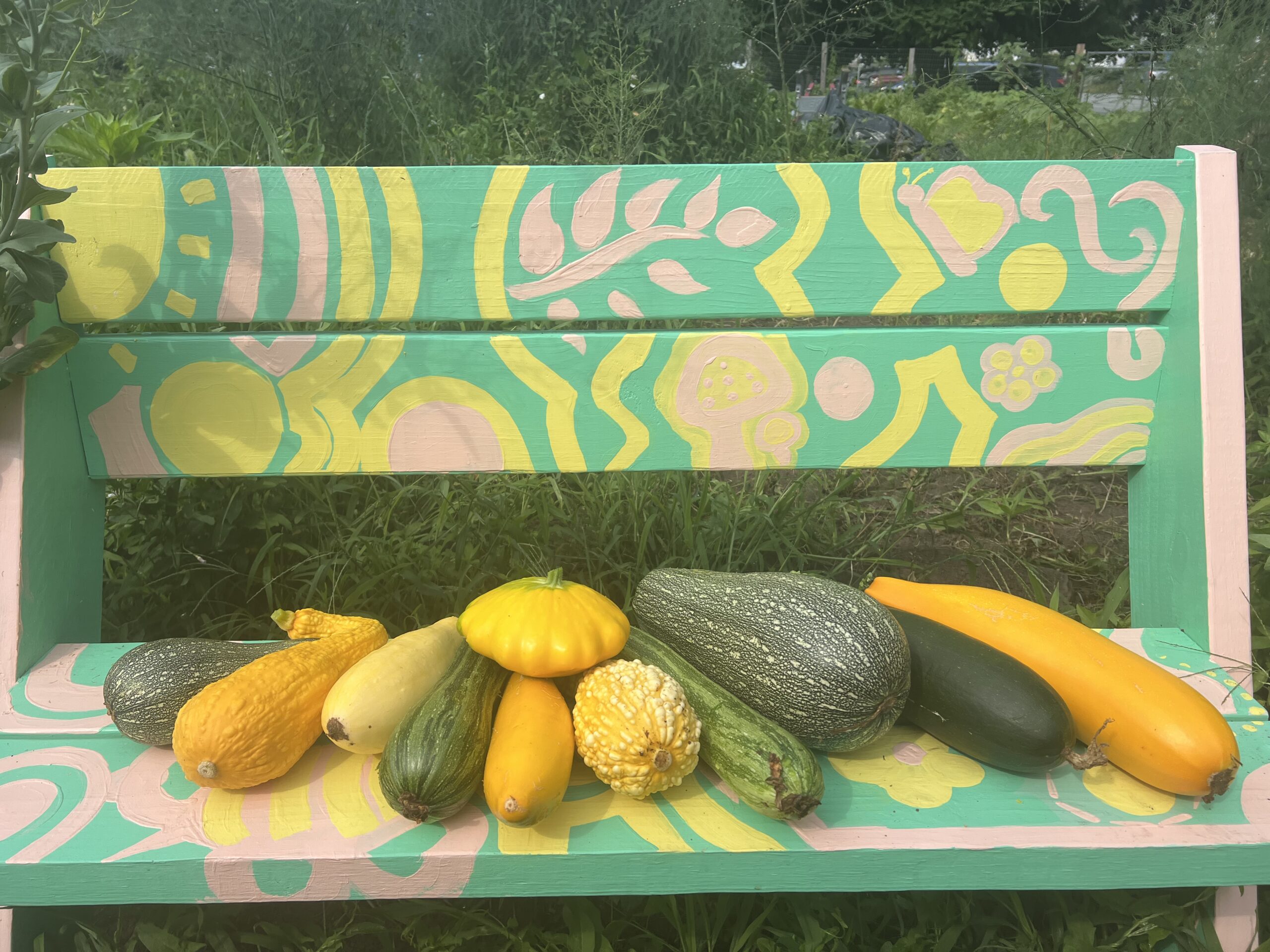
Walk through a garden and you might see a squash plant. We imagine the fruit that will eventually grow large enough to harvest. A gardener, however, may see much more. The flowers are food, too. In Salvadoran cooking, flor de ayote, or squash blossoms, can become a delicious filling for pupusas, often paired with cheese. The squash itself (ayote or auyamas) can also be prepared and enjoyed in many different ways. In Mexican cooking, flor de calabaza is often gently sautéed with onion, chile, and epazote and tucked into a warm corn tortilla with cheese to make quesadillas.
Purslane, or verdolaga, may look like a simple leafy green growing in the garden, or simply pulled out as a weed, but it is a familiar ingredient in many Hispanic and Latino kitchens. It can be cooked in soups and stews or enjoyed in salads, bringing a taste of home from the garden to the table.
Hot peppers tell another story. Among the many varieties grown in our community gardens, chiltepe is especially meaningful. Small but full of heat, chiltepe is a pepper familiar to many Central American kitchens, where it is used to add flavor and spice to sauces, soups, and other traditional dishes.
Peppers bring an incredible diversity of color, flavor, and heat to the community garden. In a single season, gardeners may grow everything from sweet bell peppers and aji dulce to jalapeños, cubanelle, poblanos, anchos, serranos, and habaneros. Each distinct peppers has its own personality and place in the kitchen. And when it comes to heat, everyone has their own definition of "spicy." What feels mild to one gardener might have another reaching for a glass of water! Beyond the heat, these peppers carry familiar flavors and memories, connecting gardeners to the foods they grew up eating and the traditions they continue to share.
Tucked inside their delicate, papery husks. tomatillos may not immediately stand out in the garden. But for a gardener who grew up cooking with them, they are instantly recognizable and bring to mind salsa verde, family meals, and the familiar flavors of home.
Beans offer another beautiful example. Across parts of Central America, including Guatemala and Nicaragua, people enjoy frijoles camaguas: beans harvested after the seeds have filled out and begun to mature, but before they have completely dried. We can grow beans here in Massachusetts. But growing camaguas is not simply about planting a bean seed and waiting for it to grow. It is about knowing when to harvest it, how it should be prepared, and how it tastes. The gardener knows why that particular moment in the life of the plant matters.
In Guatemala, camagua beans are part of traditional foods such tamales prepared with corn masa and beans. In Nicaragua, eating beans at this stage is also connected to traditions surrounding the arrival of the new bean harvest.
Then there is epazote. You can almost see the spark in a gardener's eyes when they find it and grow it in their gardens, a familiar herb with a distinctive aroma and flavor, used in soups, stews, sauces, quesadillas, and many other traditional dishes.
The plant may grow in Massachusetts, but the cultural meaning travels much farther. A community garden goes beyond a collection of plants, it is a collection of knowledge, family traditions, and culture growing in the soil. This knowledge and cultural practices live in the hands of gardeners and around tables where food is shared.
This Hispanic Heritage Month, we celebrate the community gardeners who keep that knowledge alive and the vibrant cultures, traditions, flavors, and stories they continue to grow right here in our Lawrence community.
Recent News

