
By Brad Buschur
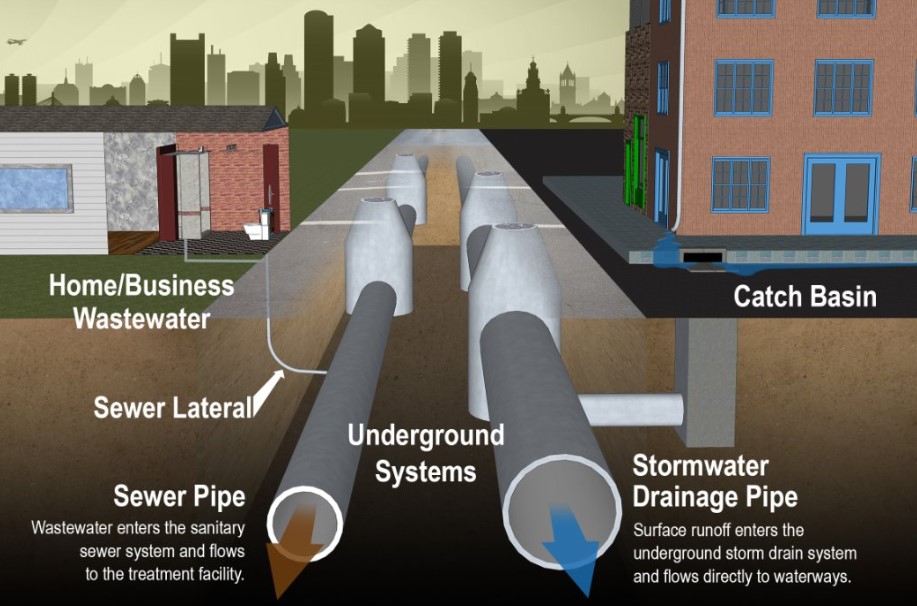
As Lawrence rapidly urbanized in the early 1900s, all of the city’s streams were placed in culverts buried deep underground. Since stormwater infrastructure is underground, it’s easy to overlook its importance until it doesn’t work as designed. “A lot of the flooding experienced by residents is caused by capacity limitations of sewer pipes installed over 100 years ago,” noted Water and Sewer Commissioner William Hale. “The high intensity storm we experienced in 2023 underscores how the city’s stormwater system is starting to show its age.”
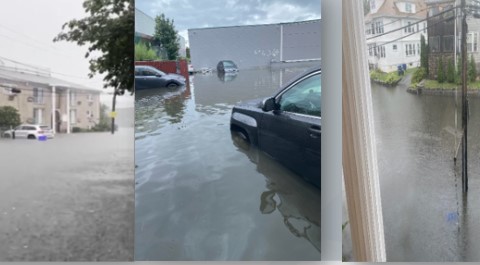
In August 2023, the city received over 12 inches of rain from three storms. During one storm event, 209 households experienced flood damage; some areas flooded to a depth of four feet. These storms caused over $300,000 in damage to public infrastructure and impacted 21 businesses.
To help the city adapt to these more frequent high-intensity storm events, the City of Lawrence Water & Sewer Department is developing a Stormwater Resilience Plan. Over two years, engineers will study the city’s sanitary and stormwater sewers and prioritize infrastructure investments to help protect public and private property.
“I think it’s an excellent opportunity for the city,” Water and Sewer supervisor Jose Medina said, referencing the plan. “The more we know about the city’s sewers, the better. The engineers have installed flow meters throughout the city, and the data is starting to be analyzed.”
“The department maintains a list of flooding issues throughout the city. Long-standing drainage issues, like the railroad underpasses at Merrimack Street and Parker Street, are well known to the department,” Commissioner Hale said. “This summer, we’re hoping residents will report flooding issues they’ve experienced to help the city better understand the extent of the problem.”
Residents who want to provide information on flooding can complete a short online survey. This information will be integrated into the work the city’s engineering team is conducting and will help prioritize future infrastructure investments.
“So far, the project has installed 20 flow meters, 5 smart cover meters, and 3 rain gages. We’ve collected six months of data, which will be used to develop a model to simulate and predict how stormwater and sanitary waste flows through the city’s sewers.” Zach Henderson, stormwater practice leader from Woodard & Curran, who is leading the project, commented, “This will help the team evaluate solutions to reduce flooding and reduce combined sewer overflows. These overflows happen when heavy rain overwhelms a sewer system that carries both rainwater and sewage, the extra water — including untreated sewage — is released directly into rivers to prevent backups into homes and streets.”
To learn more about the Stormwater Resilience Plan, residents can visit the project website at: https://groundworklawrence.org/green-lawrence-blue-merrimack-a-stormwater-resilience-plan/.
The city received a $1.6 million award from the state’s Municipal Vulnerability Preparedness (MVP) program to develop the stormwater resilience plan. The MVP program provides support for cities and towns in Massachusetts to begin the process of planning for climate change resiliency and implementing priority projects.
Recent News

